
Every Academic Support professional has experienced it. A student arrives just days before finals with weeks of reading unfinished. Another wants someone to tell them exactly what to study. A third asks, “Can you just tell me the right answer?” Oh, and let’s not forget: “What will be on my exam?”
In these moments, our instincts to help are understandable. We entered this profession because we want students to succeed. We want to reduce stress, remove barriers, and help students overcome obstacles. But, ASPs need to be careful not to become indispensable to students.
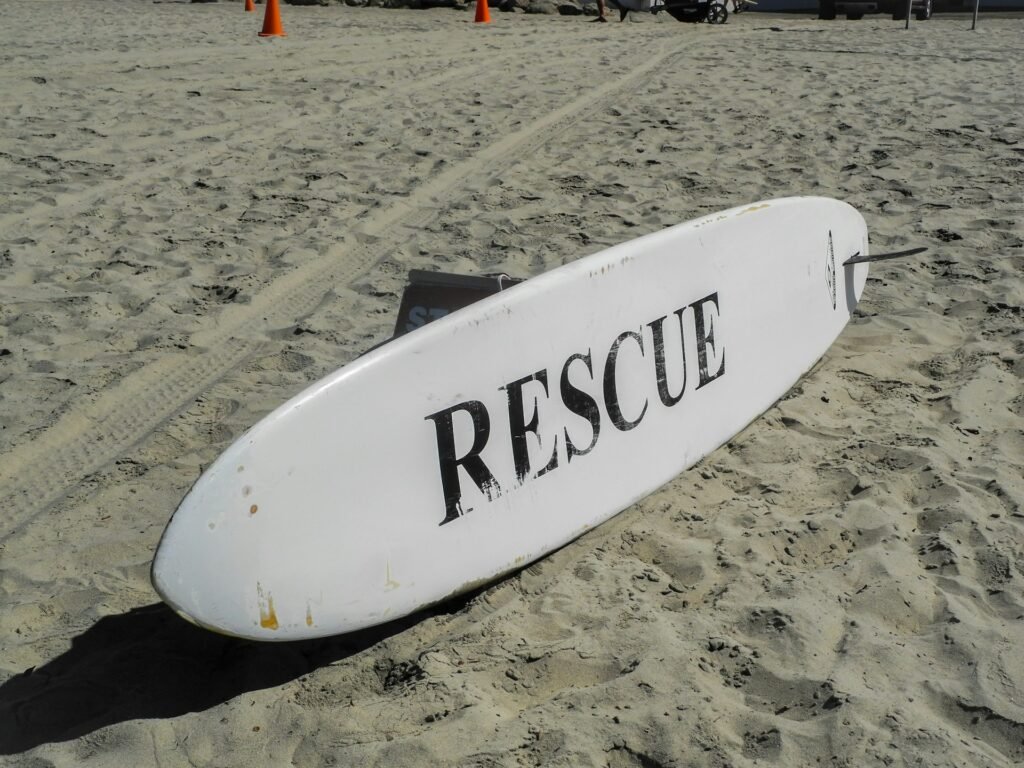
The distinction between academic support and academic rescue is subtle, but it has profound implications for student learning. Academic support builds capacity. Academic rescue solves problems.
At is core, academic support is fundamentally about helping students become independent, self-directed learners. It shows students how to develop better processes, identify and target skills, and build strategies to overcome future obstacles. In contrast, academic rescue, while well-intentioned, often focuses on solving the immediate problem for the student.
There are certainly moments when immediate intervention is necessary. Students experiencing crises may need flexibility, referrals, or emergency assistance. But outside of those situations, our goal should be to leave students more capable than when they arrived.
Resist the Temptation to Rescue
Academic rescue doesn’t begin with poor intentions. ASPs wouldn’t choose this job if they weren’t compassionate individuals who wanted to help students. And, when a student is overwhelmed, it often feels easier to reorganize their study schedule; identify every issue in a practice essay for them; or tell them exactly what they should memorize. The student leaves feeling relieved, the educator ends the meeting feeling hopefully, but an important question remains: who did the thinking? If the Academic Support professional made every significant decision, the student may have completed the task without developing the underlying skill.
Independence as the Goal
Imagine two sessions:
In the first, the educator creates a detailed study plan, assigns daily tasks, and explains exactly what to do each day.
In the second, the educator asks the student to draft their own study plan first. Together, they evaluate it, identify gaps, and revise it collaboratively.
Both students leave with a plan, but only one has practiced the skill of planning. The difference might seem small in the moment, but over time it can become significant. The first student comes back regularly to adjust and get direction. They might leave the school with a JD in hand, but their first days in practice might be a bit rough as they realize they don’t know how to prioritize.
The second student may come back for help in tough moments, but they’ve begun building the skills they’ll need throughout their JD and into practice. They will assume more responsibility for their own education and planning. This should be the primary goal of academic support sessions.
Replace Answers with Questions
At the risk of becoming a stereotypical law professor who can’t just give an answer to a question, ASPs should employ the well-timed question in meeting with students. For example, instead of saying here’s what an outline should look like, an ASP might ask what organization would make this easiest to use during an exam?
Replacing advice with questions will no doubt make the conversation slower, but the questions will give the student more independence and insight into their own learning. It encourages students to generate answers rather than simply receive advice. This builds buy in for the ultimate strategy or skill, as well as allows students to practice the skills they’ll need in practice.
Scaffold…Then Remove It
ASPs know that effective support often resembles scaffolding in construction. At first, students need a lot of structure. However, as competence develops, that structure should gradually disappear.
Early in the first semester, ASPs might model issue spotting, demonstrate outlining, and slowly walk through practice problems. However, as the semester progresses, this should shift to independent practice, self-assessment, and reflection. If the scaffolding never comes down, students may mistake dependence for success and miss the opportunity to build the necessary skills on their own.
Expect (Productive) Struggle
It’s uncomfortable to watch students struggle, especially when you know what they should be doing. But not all struggle is harmful. Education research distinguishes between destructive struggle, where students lack the tools to succeed, and productive struggle, where students are challenged but have enough support to learn.
Academic support should reduce unnecessary barriers, but productive struggle is okay. It leads to deeper understanding and improved problem solving skills. Growth requires effort, and confidence grows from solving problems, not avoiding them. Thus, ASPs must get more comfortable with students productively struggling and guide them through that process with only the necessary support.
Academic Support Is Coaching
Ultimately, academic support is similar to coaching. Just like elite athletes have coaches that do not compete for them, successful students have academic support to guide them through the process. Academic support should create opportunities for practice, provide feedback, encourage reflection, and gradually build independence.
Academic support is most effective when it looks beyond the immediate assignment and focuses on the long-term development of the learner. Sometimes that means resisting the urge to rescue and allowing students to wrestle with uncertainty, revise imperfect work, and discover solutions through guided questioning. Helping students succeed today is important, but helping them develop the judgment, confidence, and independence to succeed tomorrow is vital.
The measure of excellent academic support is not how many problems we solve, but how many problems students eventually learn to solve for themselves.
(Dayna Smith)